
Introduction: Wireless water level sensors combining radar and hydrostatic pressure offer precise, durable, real-time monitoring with years of battery life for underground urban drainage systems.
In an era where urban infrastructure faces increasing challenges, ensuring accurate water level monitoring in underground drainage systems is paramount. The wireless water level sensor market is steadily advancing, providing tools that enable city planners and maintenance teams to maintain efficient water flow and prevent flooding. In particular, water level measurement devices suppliers are focusing on solutions that deliver precision, durability, and seamless integration into complex urban environments. These innovations address the specific demands posed by underground pipelines and manholes, where harsh conditions often complicate data collection and analysis.
Key attributes of water level measurement devices suited for underground pipelines and manholes
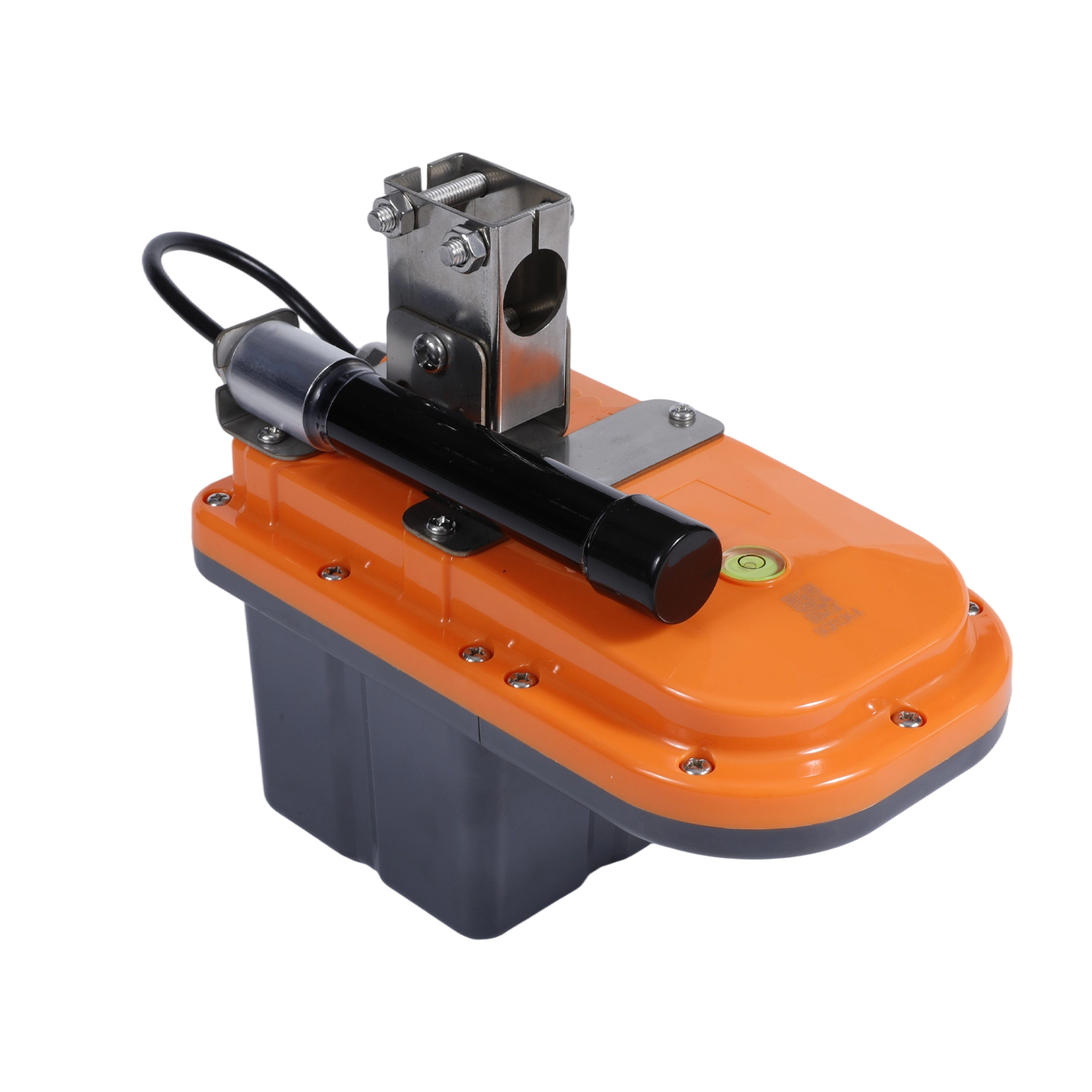
Water level measurement devices designed for subterranean settings must combine resilience with precise sensing. The wireless water level sensor market includes instruments engineered to endure the demanding environments found in urban drainage systems, where moisture, pressure fluctuations, and contaminants are routine challenges. Devices by established water level measurement devices suppliers utilize a hybrid approach, blending non-contact millimeter-wave radar with hydrostatic pressure sensing. This fusion ensures measurements remain reliable despite temperature changes, foaming, or sediment presence. Robust environmental protection such as IP68 certification guarantees functionality under prolonged water immersion and exposure to dust. Furthermore, these instruments often feature corrosion-resistant materials and reinforced antenna designs to sustain their accuracy and longevity underground. Effective installation methods, like wall mounting, enhance accessibility while minimizing disruption to infrastructure. Ultimately, such attributes align with the needs of smart city ecosystems, supporting constant, real-time monitoring that empowers timely responses to water level variations within pipelines and manholes.
The role of intelligent data fusion in improving the accuracy of water level monitoring instruments
Accuracy in water level monitoring hinges on sophisticated sensor integration and data processing strategies. Within the wireless water level sensor market, intelligent data fusion techniques have become central to enhancing measurement reliability. By combining millimeter-wave radar's quick, non-contact surface quantification with hydrostatic pressure's submerged stability, water level measurement devices suppliers create systems capable of adaptive performance across varying conditions. Data fusion algorithms dynamically refine sensor inputs, filtering noise and compensating for anomalies caused by environmental factors such as foam or turbulence. This comprehensive approach not only ensures high fidelity readings but also supports features like multi-level alerts and predictive maintenance notifications. Additionally, offline data caching and autonomous retransmission safeguard data integrity during connectivity interruptions, a critical feature in urban drainage monitoring where network coverage can be spotty. These advancements elevate water level monitoring beyond mere measurement, delivering actionable insights that improve operational efficiency and infrastructure resilience in densely populated areas.
Power management and communication technologies supporting remote water level control
Remote monitoring of underground drainage systems is only as effective as the power and communication technologies that sustain it. The wireless water level sensor market increasingly emphasizes ultra-low power consumption combined with robust data transmission solutions, shaping how water level measurement devices suppliers address the complexities of remote urban applications. Devices powered by high-capacity lithium batteries provide years of maintenance-free operation, eliminating reliance on external power sources in often inaccessible locations. Communication modules utilizing 4G and Bluetooth enable real-time data transfer to cloud platforms, facilitating multi-center data access for coordinated management across departments. These communication protocols support protocols like MQTT, known for lightweight and efficient messaging, further conserving battery life. Moreover, adaptive data sampling and transmission intervals optimize power use based on environmental changes and urgency levels. This intelligent power and communication synergy ensures that users maintain continuous oversight of drainage conditions without frequent physical intervention, supporting proactive infrastructure management and reducing operational risks inherent in urban water systems.
The evolution of the wireless water level sensor market brings thoughtful design and technical sophistication to the forefront of urban drainage monitoring. By integrating durable construction, intelligent sensor fusion, and efficient power and communication technologies, water level measurement devices suppliers contribute to more resilient and responsive urban water infrastructure. These sensors help professionals maintain operational confidence while adapting to both current needs and the potential challenges of future water management scenarios. The smooth operation and adaptability these instruments offer resonate with the ongoing drive toward smarter cities and sustainable environmental stewardship.
References
- Radar Water Level Monitoring– Advanced liquid level monitoring device combining radar and hydrostatic pressure sensors for urban drainage systems.
- Bubble Water Level Measurement– High-precision water level sensor utilizing micro-piston pump technology for accurate measurements in various water bodies.
- Enhancing Canal Water Measurement With Automation Solutions– Discusses automation technologies for improving canal water measurement accuracy and efficiency.
- 7 Benefits of Automated Water Level Control That Cut Costs and Prevent Damage– Explores advantages of automated water level control systems in reducing costs and preventing damage.